

March is National Nutrition Month, a time dedicated to promoting healthy eating habits and overall well-being. Establishing good nutrition habits in childhood helps lay the foundation for a lifetime of health. Encouraging kids to develop a positive relationship with food can help them make healthier choices as they grow. At Des Moines Pediatrics, we focus on building healthy habits in children and empowering parents with the knowledge to ensure their kids get the nutrients they need to thrive.
The Importance of Nutrition in Childhood
Proper nutrition during childhood is crucial for supporting physical growth, cognitive development, and overall well-being. Protein, healthy fats, vitamins, and minerals are essential nutrients that support brain function, strengthen the immune system, and help build strong bones and muscles. Without proper nutrition, children have an increased risk of experiencing developmental delays, weakened immunity, obesity, and chronic diseases later in life.
Children are most likely to maintain a balanced diet into adulthood if healthy eating habits are instilled early on. The importance of nutrition can be taught in fun and engaging ways to help kids understand how food fuels their bodies.
Encouraging a Balanced Diet
A balanced diet consists of a variety of food groups including fruits, vegetables, lean proteins, whole grains, and dairy or dairy alternatives. To ensure that children receive a range of essential nutrients, we encourage colorful plates that reach into multiple food groups.
There are many ways to promote a balanced diet for children:
Make Meals Fun
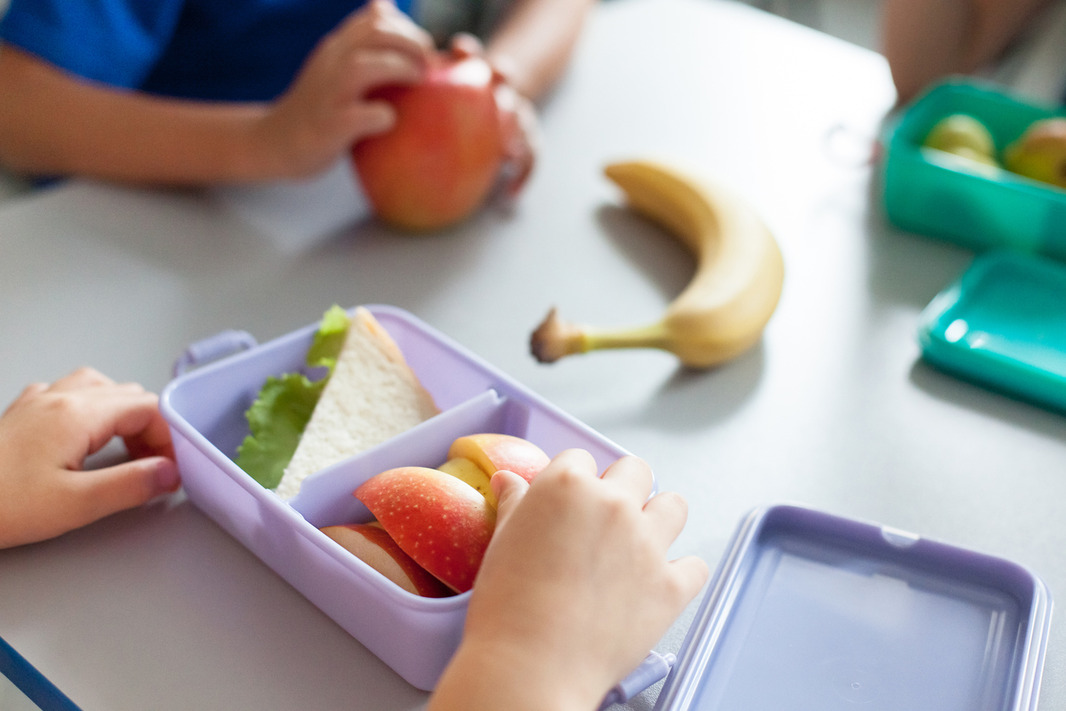
Use creative presentations by making fruit kabobs, arranging vegetables in fun shapes, or using cookie cutters to make sandwiches more appealing.
Involve Children In Meal Planning
Allowing children to participate in grocery shopping, meal planning, and cooking fosters curiosity and interest in different foods.
Offer Healthy Snacks
Replace processed snacks with healthier options such as yogurt with berries, whole-grain crackers with hummus, or apple slices with peanut butter.
Model Healthy Eating Behaviors
If children see their caregivers and parents making nutritious food choices, they are more likely to adopt the same habits.
Create A Positive Mealtime Experience
Making mealtime a positive experience helps children associate eating with enjoyment, not stress. Family meals provide an opportunity to encourage conversation, model healthy eating habits, and strengthen relationships.
Use positive reinforcement and encouragement when children are trying new foods. Instead of focusing on what they refuse to eat or pressuring them into eating a certain food, offer a variety of foods and allow them to choose what to eat. It is important to avoid distractions, such as the TV or electronic devices, to encourage mindful eating.
Maintaining a routine with consistent meal and snack times will help regulate hunger cues and prevent excessive snacking.
Teaching Kids About Nutrition
Educating children about nutrition empowers them to make informed decisions when it comes to mealtime. Interactive activities can make learning about healthy eating more fun and help simplify these concepts.
Engaging ways to teach kids about nutrition:
- Use apps, puzzles, and board games that focus on healthy foods and balanced meals
- Show where food comes from by growing vegetables and herbs at home
- Read books about nutrition and healthy eating
- Show kids how to prepare simple meals
Hydration
Proper hydration is just as important as a well-balanced diet when it comes to children’s health. Children are often engaged in activities that cause them to forget to drink water. It is essential for parents to encourage regular hydration, as it plays a crucial role in digestion, circulation, and brain function. Dehydration can lead to fatigue, irritability, digestive issues, and difficulty concentrating.
To ensure kids stay hydrated, offer water as the primary drink at meals and snack time. Using fun reusable water bottles and infusing water with fruit or herbs can make drinking water more appealing. Replacing sugary drinks, such as soda or juice, can help in establishing healthy hydration habits. Parents can support their child’s energy levels, cognitive performance, and overall well-being by prioritizing hydration.
Overcoming Common Eating Challenges
It is not uncommon that parents face challenges when trying to establish healthy eating habits for their children. Picky eating, resistance to trying new foods, and sugar cravings are common issues that pose difficulty during mealtimes.
Continuing to introduce new foods without pressure can increase their willingness to try new things. Try offering a variety of textures and flavors and involve kids in meal preparation. If a child refuses to eat particular foods, try presenting them in different ways. Blending vegetables into sauces or adding them to soups can provide a new context rather than eating them on their own. Offering naturally sweet alternatives over sugary foods and drinks can help reduce sugar cravings or help satisfy them with healthier options.
Final Thoughts
Building healthy eating habits in children requires patience, consistency, and creativity. Parents can develop lifelong healthy habits in children by fostering a positive relationship with food, making nutrition fun, and encouraging balanced meals. This National Nutrition Month, take small steps to introduce healthier choices into your child’s diet, setting them up for a future of good eating habits and strong growth.