

Valentine’s Day often brings to mind classroom parties, handmade cards, and sweet treats, but it can also be an important opportunity to focus on something deeper. Beyond the candy and decorations, Valentine’s Day offers families a meaningful moment to talk with children about kindness, empathy, and emotional health. These are skills that shape how children relate to others, manage their feelings, and build healthy relationships throughout their lives.
At Des Moines Pediatrics, we know that a child’s emotional well being is just as important as their physical health. Helping children understand their emotions and learn how to treat others with care plays a vital role in their overall development. Valentine’s Day is a natural time to reinforce these lessons in a way that feels positive and approachable.
Why Emotional Health Matters in Childhood
Emotional health is the ability to understand feelings, express emotions appropriately, and cope with everyday challenges. From a very young age, children begin learning how to respond to frustration, excitement, disappointment, and joy. These early experiences influence how they handle stress, relationships, and self confidence as they grow.
Children who are supported emotionally tend to develop stronger social skills and healthier coping mechanisms. They are more likely to communicate their needs, manage conflict, and feel comfortable seeking help when something does not feel right. Emotional health also plays a role in academic success, as children who feel secure and supported are better able to focus and engage in learning.
Parents sometimes worry that emotional development should come naturally, but like physical milestones, emotional skills often need guidance and practice. Talking openly about feelings and modeling empathy at home can make a significant difference.
Understanding Kindness and Empathy
Kindness and empathy are closely connected but not exactly the same. Kindness involves caring actions, such as helping someone, offering encouragement, or showing appreciation. Empathy is the ability to understand and share another person’s feelings. When children develop empathy, they learn to recognize how their actions affect others.
These skills do not appear overnight. They grow through daily interactions, conversations, and examples set by adults. When children see parents, caregivers, and teachers treating others with respect and compassion, they are more likely to mirror those behaviors.
Valentine’s Day can sometimes place pressure on children to measure friendships or compare what they receive from others. This makes it an ideal time to shift the focus away from material exchanges and toward the idea that everyone deserves kindness, inclusion, and understanding.
Valentine’s Day as a Teaching Opportunity
Because Valentine’s Day centers on connection, it opens the door for meaningful conversations about caring for others and caring for ourselves. Instead of focusing only on exchanging cards or gifts, families can use this time to talk about what love and kindness really look like in everyday life.
For younger children, this might mean learning how to include classmates or use kind words. For older children and teens, it can involve understanding emotions, respecting boundaries, and supporting friends through challenges. Valentine’s Day becomes less about perfection and more about intention.
Parents can help children understand that kindness is not limited to romantic love or close friendships. It includes showing patience with siblings, respect for teachers, and compassion for people who may feel left out or different.
Teaching Emotional Awareness at Different Ages
Children learn about emotions differently depending on their age and stage of development. For young children, emotional health begins with learning to name feelings. Helping a child identify whether they feel happy, sad, frustrated, or excited gives them language to express themselves instead of acting out.
Reading stories together, playing pretend, and talking through emotions during daily routines are simple ways to support emotional growth. When parents acknowledge feelings without immediately trying to fix them, children learn that emotions are normal and manageable.
School age children are better able to understand how their actions affect others. This is a good time to talk about empathy and perspective. Asking questions like how do you think that made your friend feel helps children pause and reflect. Valentine’s Day activities, such as writing notes of appreciation, can reinforce positive social behavior.
Teenagers experience more complex emotions and social pressures. As they navigate friendships, school expectations, and self identity, emotional health becomes increasingly important. Open communication is key during this stage. Teens benefit from knowing they can talk to trusted adults without fear of judgment.
Valentine’s Day can be a chance to discuss healthy relationships, self respect, and emotional boundaries. It is also an opportunity to remind teens that kindness toward themselves is just as important as kindness toward others.
The Role of Parents and Caregivers
Children learn most from the adults in their lives. The way parents handle stress, conflict, and relationships sends powerful messages about emotional health. Modeling empathy by listening attentively, apologizing when necessary, and showing patience teaches children how to navigate their own emotions.
Small daily moments matter. Taking time to listen to a child’s concerns, validating their feelings, and offering reassurance helps build emotional security. When children feel heard and understood, they are more likely to develop confidence and resilience.
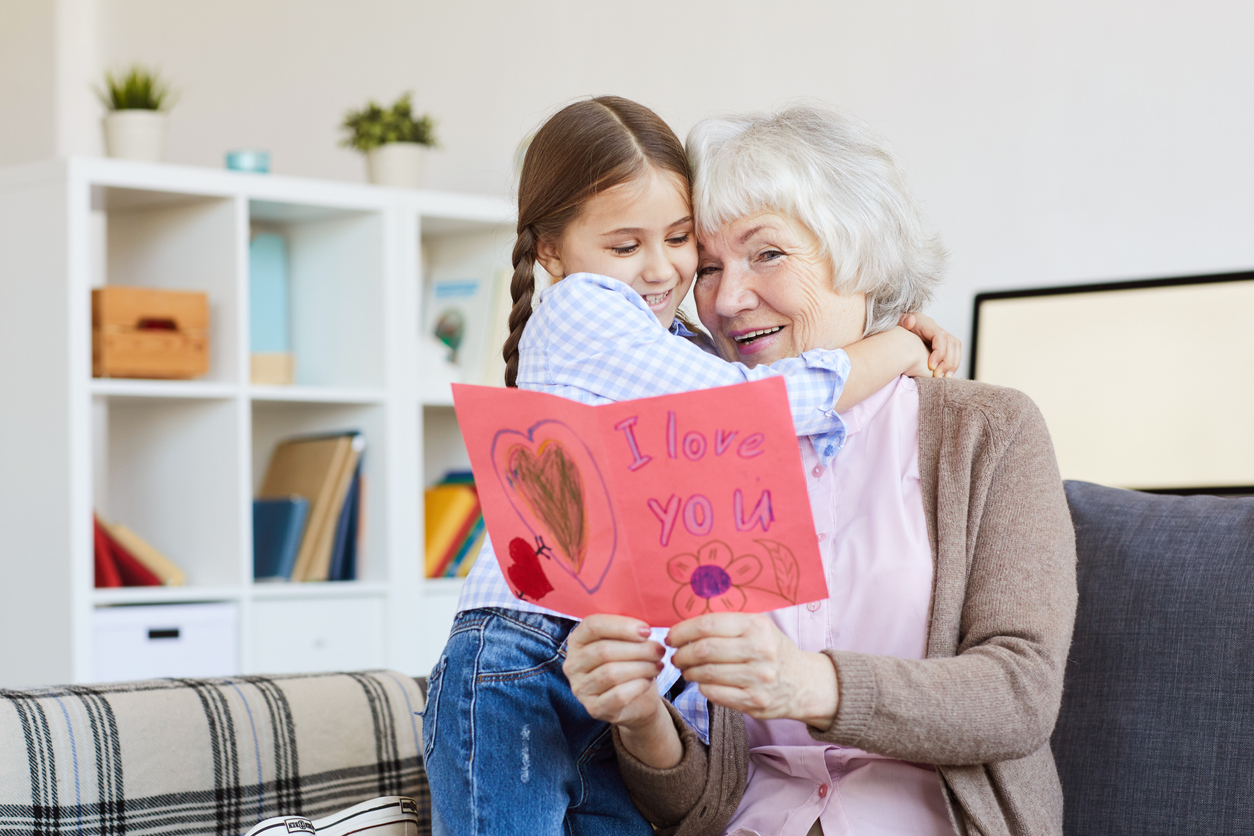
Valentine’s Day can serve as a reminder to express appreciation within the family. Simple words of encouragement or quality time together reinforce emotional connection far more than material gifts.
When Emotional Health Needs Extra Support
It is normal for children to experience emotional ups and downs, especially during times of change or stress. However, ongoing shifts in mood, behavior, sleep patterns, or appetite may signal that a child needs additional support. Difficulty at school, withdrawal from activities they once enjoyed, or frequent emotional outbursts are also worth paying attention to.
Pediatricians play an important role in supporting emotional development. During regular well child visits, families can discuss concerns related to behavior, social development, and mental health. Early support can make a significant difference and help children develop healthy coping strategies.
At Des Moines Pediatrics, we partner with families to support the whole child. Emotional health is an essential part of overall wellness, and no concern is too small to discuss.
Encouraging Kindness Beyond Valentine’s Day
While Valentine’s Day provides a natural focus on kindness and empathy, these lessons should continue throughout the year. Encouraging children to practice compassion regularly helps reinforce positive habits and values.
Simple acts such as helping a neighbor, thanking a teacher, or standing up for a friend can strengthen a child’s sense of empathy and responsibility. These experiences help children see themselves as capable of making a positive impact on others.
Teaching children that kindness is a strength helps shape how they view themselves and the world around them. It fosters connection, understanding, and emotional resilience that lasts far beyond childhood.
Supporting Healthy Emotional Development in Iowa Families
Families in the Des Moines area face the same emotional challenges as families everywhere, from balancing busy schedules to navigating school and social pressures. Creating space for emotional conversations at home and seeking support when needed can help children thrive.
Valentine’s Day is a meaningful reminder that caring for a child’s heart includes emotional well being, not just physical health. By teaching kindness, empathy, and emotional awareness, parents are giving children tools that will serve them for a lifetime.
If you have questions about your child’s emotional development, social behavior, or mental health, the team at Des Moines Pediatrics is here to help. Together, we can support healthy hearts and minds, today and every day – (515) 255-3181.